What Are Cacao Nibs (And Can You Actually Make Chocolate From Them)?
You’ve probably seen them at the store – small, dark, jagged pieces in a bag, usually near the baking chocolate or in the bulk section. The label says “cacao nibs.” The price is higher than you expected. And if you’ve picked up the bag and turned it over, you’ve probably noticed that the ingredient list is one item long.
That’s the first clue that something interesting is going on.
A cacao nib is a piece of roasted cacao bean with its husk removed. (You’ll also see them labeled cocoa nibs – same thing, different spelling convention.) No sugar, no added fat, no processing beyond roasting and cracking. It’s the raw material that all chocolate comes from, broken into small, irregular pieces. But to understand what you’re actually holding, you need to go back further – back to where the bean comes from in the first place.
From tree to nib
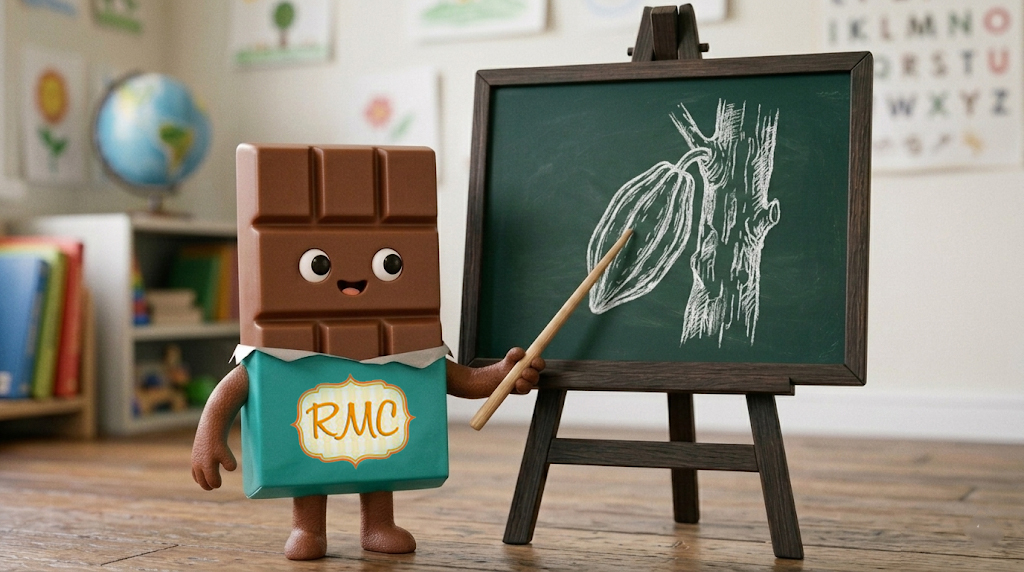
Chocolate starts as a fruit. Cacao trees (Theobroma cacao – the name translates roughly as “food of the gods”) produce large, football-shaped pods that grow directly from the trunk. Inside each pod are seeds surrounded by a sweet white pulp. Those seeds are what we call cacao beans, though they’re not technically beans – they’re seeds.
After harvest, the pods are cracked open and the seeds are scooped out along with the pulp. They go into wooden bins or covered piles to ferment for three to seven days. This step isn’t optional, and it’s one that a lot of people don’t know about. Fermentation is where much of chocolate’s flavor is built. The pulp breaks down, the temperature rises, and a cascade of chemical changes begins inside the seed itself. Skip fermentation and your chocolate will be flat no matter what you do afterward.
After fermentation, the beans are dried and then roasted. Roasting drives off moisture and develops more flavor through the Maillard reaction – the same browning process that gives bread its crust and coffee its depth. (If you want to go deeper on the Maillard reaction specifically, the Candy Classroom article titled “Chocolate from Cacao Nibs – and was quite satisfied with how it turned out. It’s worth watching before you commit to a batch, because the results are real, but the process takes patience and some willingness to accept imperfect texture.
Once you have your paste, you add sugar, and if you want it to behave like bar chocolate, you need to temper it. The Candy Classroom article on Tempering Chocolate covers why that matters and how to do it at home.
What nibs are actually good for
Here’s a more practical question than whether you can make chocolate from nibs: should you?
If you want smooth, glossy, snappy chocolate for dipping or molding, just buy chocolate. It’s already been through industrial refining that a home setup can’t replicate, and it will perform better in every recipe that calls for it.
If your goal is the experience itself – going from a bag of cracked beans to an actual bar of chocolate you made start to finish – then yes, without question. That’s one of the coolest things you can do in a candy kitchen, and the imperfections don’t diminish it in the slightest.
A more common use of nibs is as a standalone ingredient – not a substitute for chocolate, but something with its own character. They pack a substantial crunch, if that’s what you’re looking for. Their bitterness cuts through sweetness in a way that finished chocolate can’t always manage.
Anywhere you want crunch, complexity, and a flavor that’s chocolate-but-not-quite, nibs are a great choice.
A word on sourcing
Cacao nibs have become much easier to find in the last several years. Natural food stores usually carry them, and many larger grocery chains stock them in the baking or bulk sections. Online options are plentiful if local stores don’t.
The price variation is worth noticing. Nibs from identified single-origin sources tend to cost more and have more distinct flavor profiles – fruitier, earthier, more complex. Generic nibs are fine for most uses. If you’re using them as an accent, the flavor nuance matters less than if you’re building a recipe around them as a primary flavor.
Buy a bag. Taste one straight from the package. Find a use for it. You may be surprised at the difference it makes.
The Candy Classroom is where we dig into the ingredients, history, and science behind the candy you make. New posts regularly.